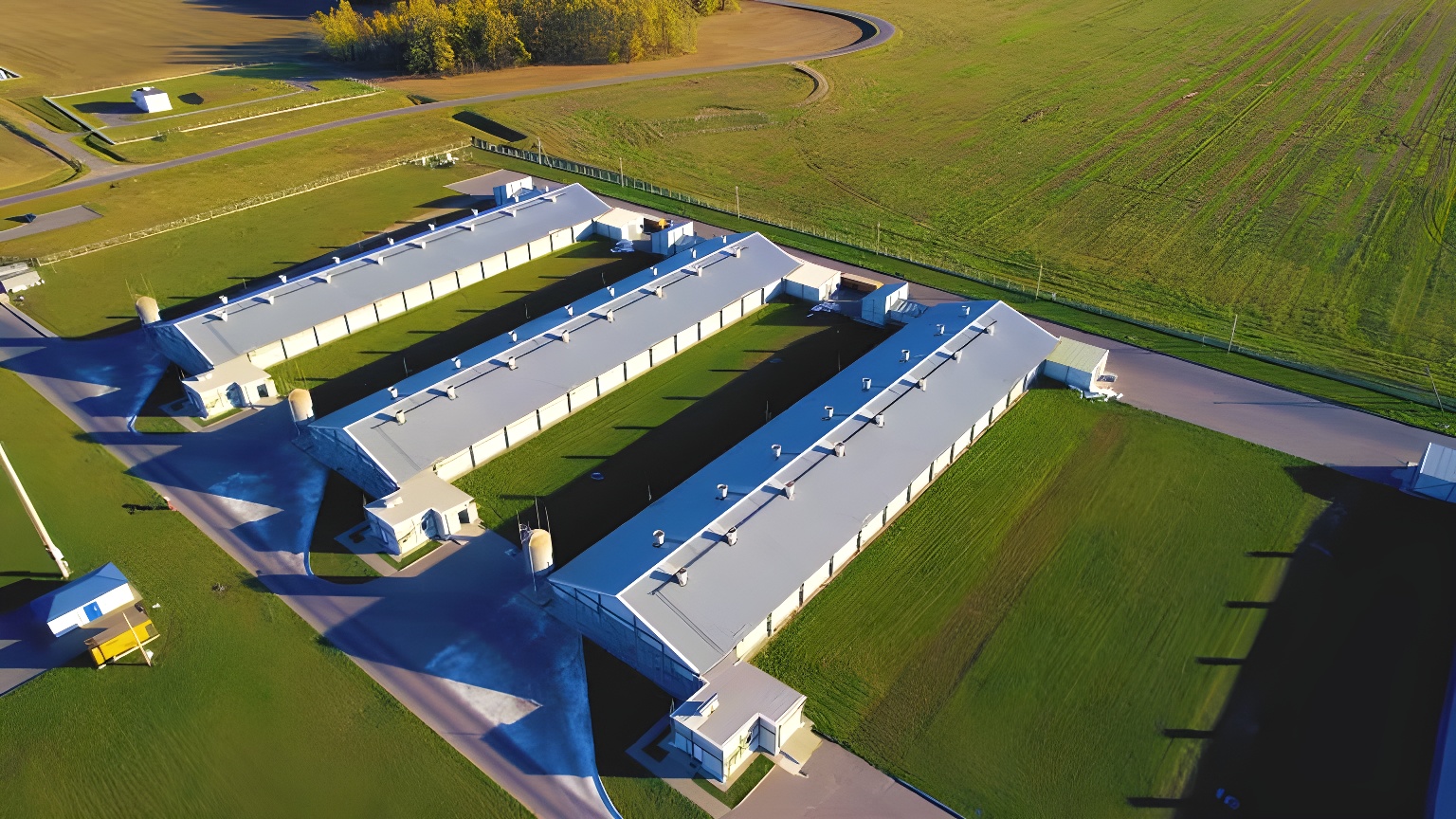
Construction Materials for Pig Farms
What Determines Material Choice
Materials for pig house construction must meet three key requirements: durability in an aggressive environment, thermal insulation, and ease of maintenance. The interior atmosphere of a pig house involves elevated humidity, ammonia, and mechanical loads. Not all materials can handle these conditions.
Frame Structures
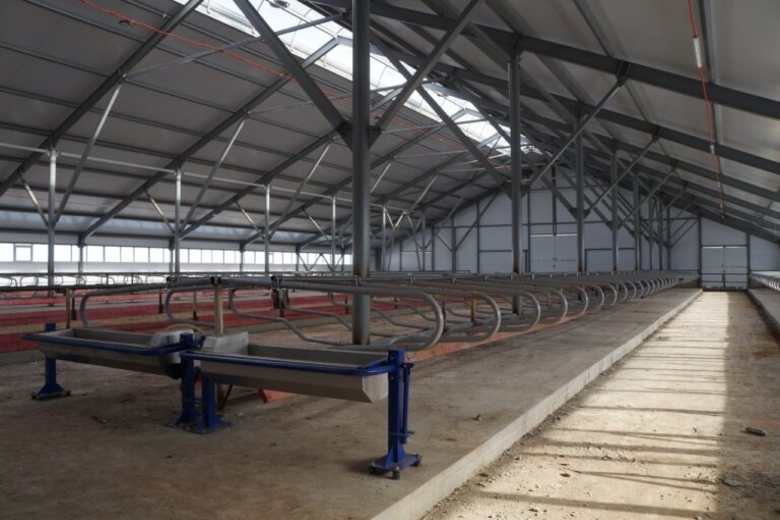
Steel Frame The most common solution for industrial farms. Fast installation, large spans without internal supports, and savings on foundations. Requires quality anti-corrosion coating.
Reinforced Concrete Structures Used mainly in large complexes. Greater durability, but significantly higher costs and longer construction timelines.
Enclosing Structures
Sandwich Panels The optimal solution for walls and roofing. They combine structural strength and thermal insulation in one element. Fast installation and sealed joints.
Aerated Concrete Blocks Proven well for load-bearing walls. Excellent thermal insulation, but mandatory interior waterproofing is required in pig house conditions.
Floors
The floor in a pig house is the most heavily loaded element. A concrete floor with drainage slope and slatted sections over manure channels is the industry standard. Concrete quality and screed thickness determine service life.
Roofing
Metal tiles or corrugated sheeting with insulation are the standard solution. Insulation quality is critical: heat loss through the roof accounts for up to 30% of the building's total heat losses.
Conclusion
Selecting the right materials at the design stage determines not only construction costs but also maintenance expenses over 20–30 years. We help clients find the optimal balance between quality and budget.