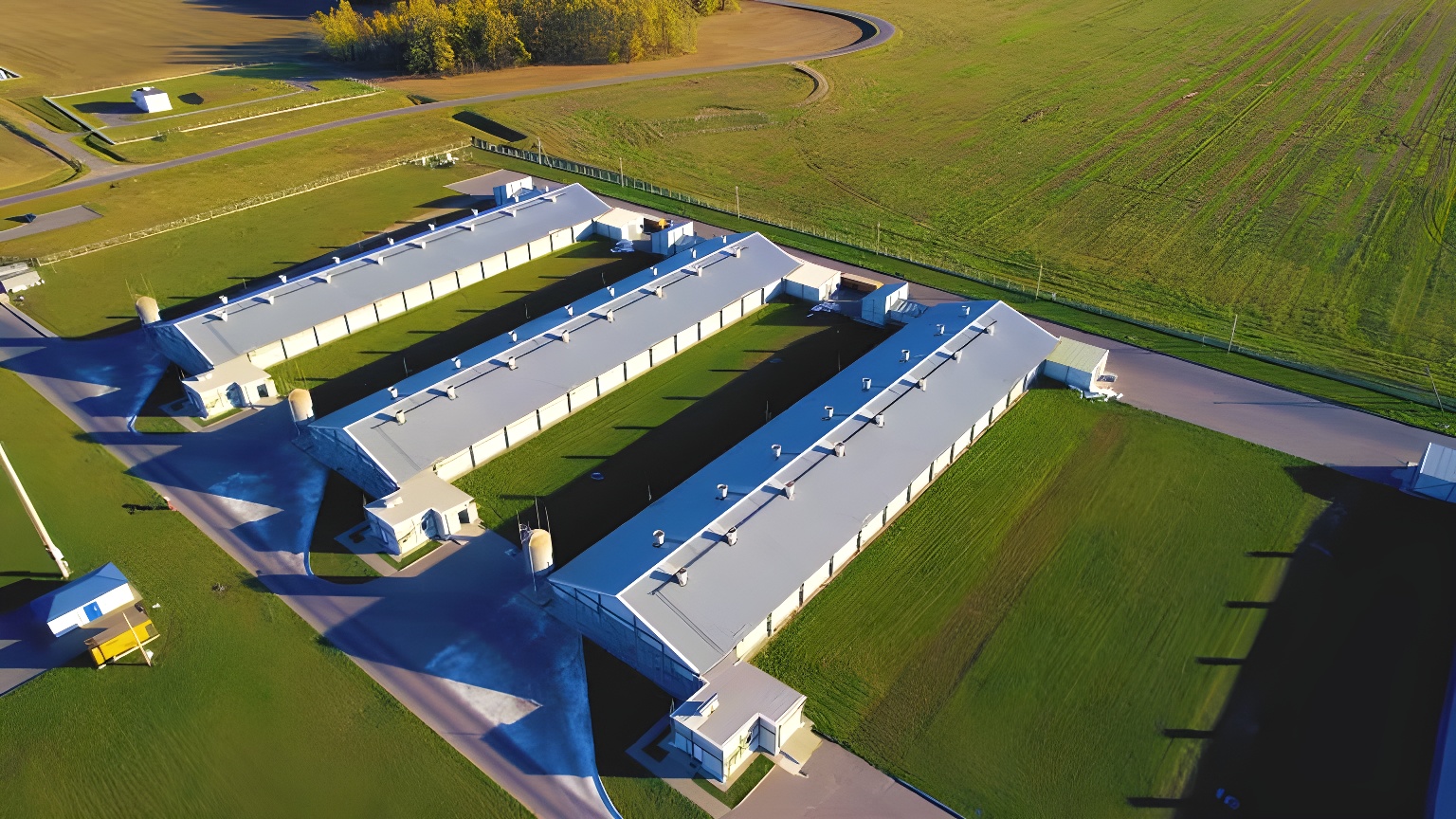
Pig Farm Design: Where to Start
Where a Project Begins
Most mistakes in pig farm construction are made on paper — before the first shovel of earth is turned. A well-developed project helps avoid rework, save up to 20–30% of the budget, and shorten construction timelines.
Site Assessment
The first step is a detailed analysis of the plot. The farm should be located on elevated or level ground with organised drainage. Prevailing winds should not carry odours towards residential areas — the sanitary protection zone is at least 500 metres from the nearest settlement. Convenient access for heavy trucks and proximity to feed suppliers also affect operating costs.
Technology Brief
Before design begins, it is important to define the herd size and production direction — fattening, breeding, or a closed cycle. This determines the number and type of buildings, housing system, feeding type, and level of automation. The more detailed the technology brief, the more accurate the project will be.
Project Documentation
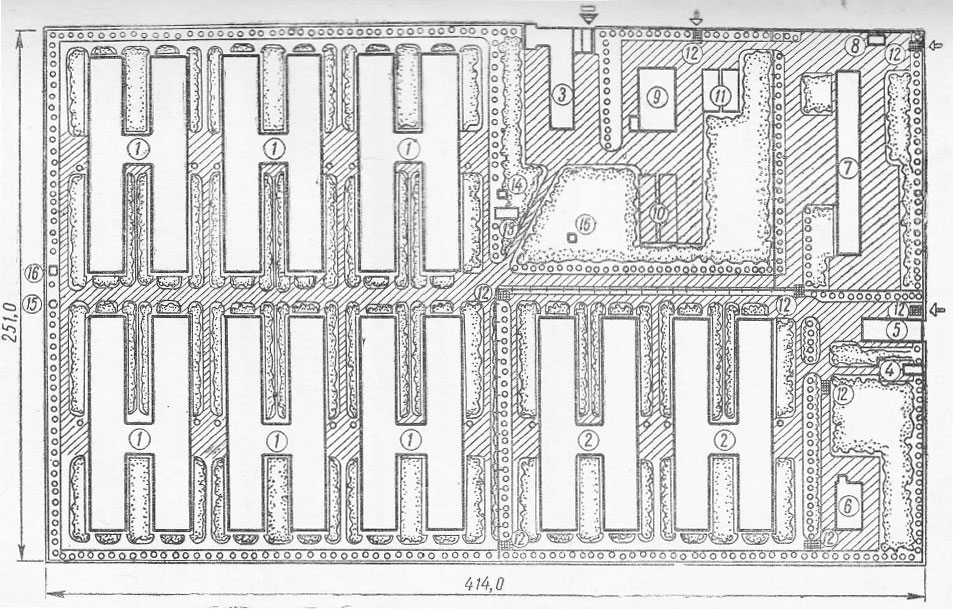
A complete documentation package includes architectural, structural, and engineering sections. Ventilation, heating, drainage, and electrical plans are developed separately. All sections must comply with current national building codes and veterinary requirements.
Approvals and Permits
In most cases, pig farm construction requires an environmental assessment and a building permit. We accompany the client through all stages of the approval process — from document submission to receiving final clearances.
Conclusion
A quality design is an investment that pays off over the entire service life of the farm. Correcting design mistakes is far more expensive than commissioning thorough documentation from the start.