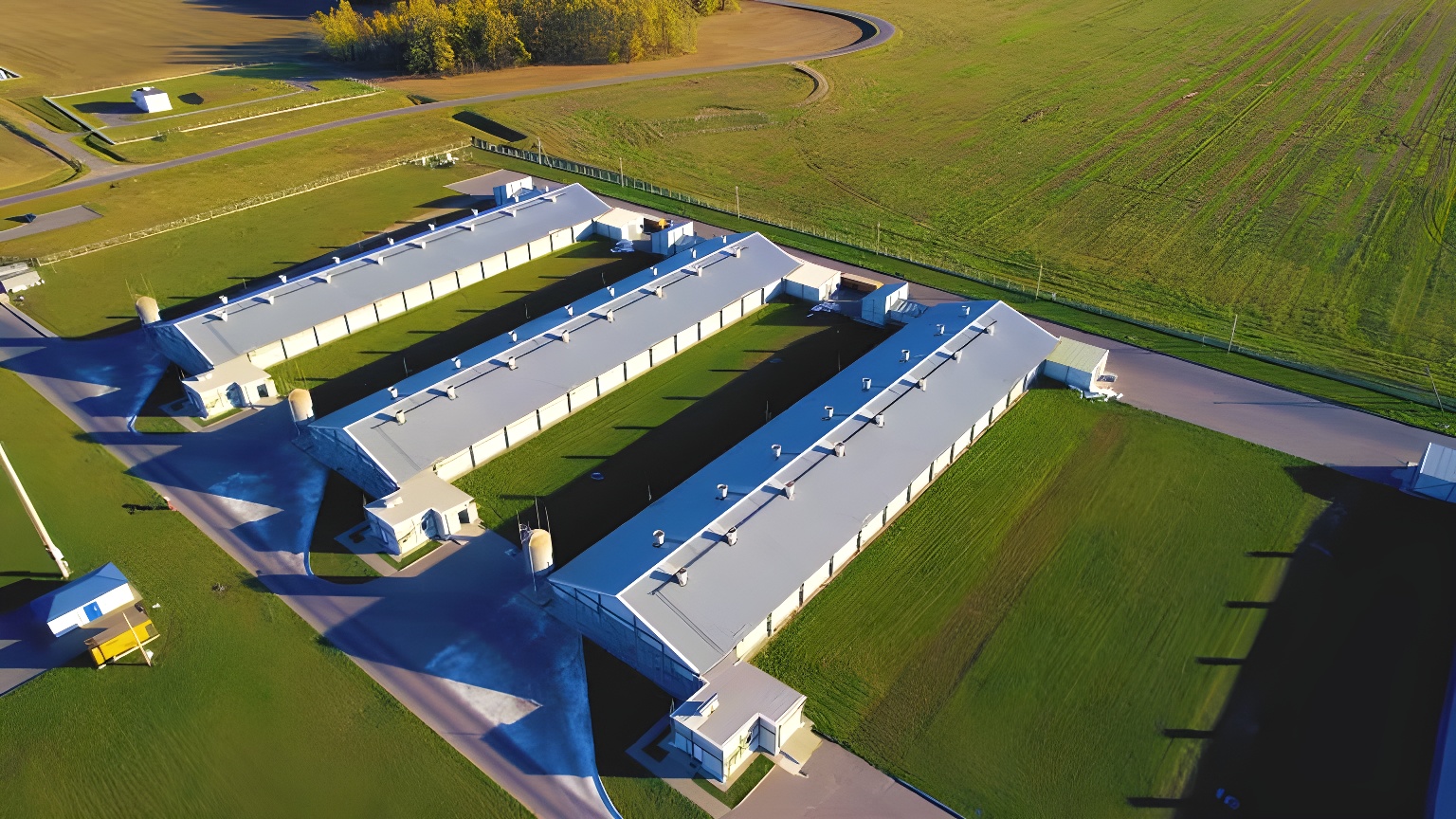
Pig Farm Heating: Modern Solutions
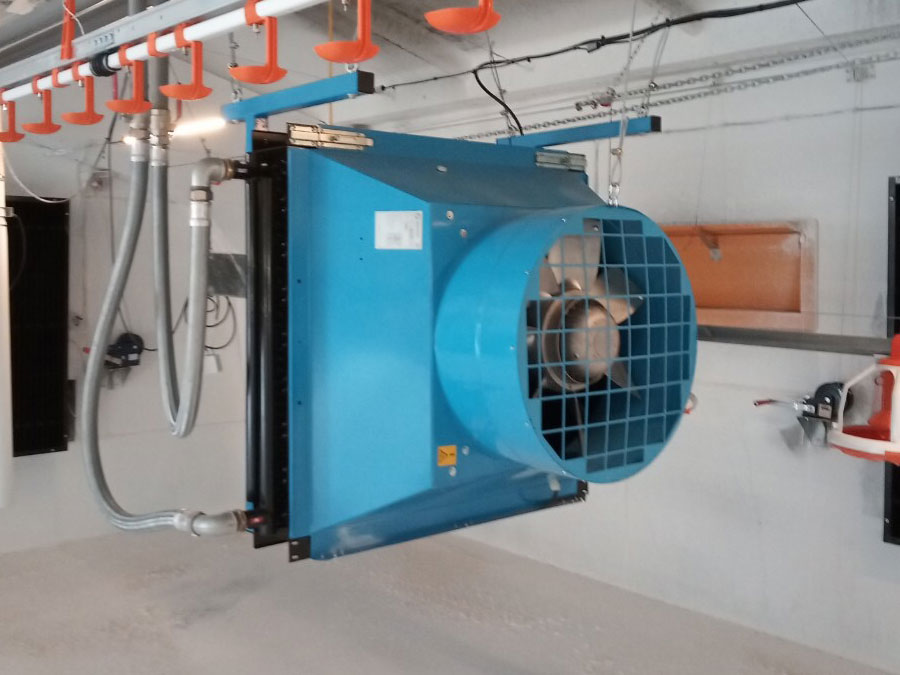
Why Heating Equals Productivity
Temperature in a pig house directly affects feed conversion and daily weight gain. Piglets up to 4 weeks require 28–32°C, weaners need 18–22°C, and finishing pigs perform best at 16–20°C. A deviation of just 5°C from the optimal range can reduce weight gains by 10–15%.
Main Heating Systems
Gas Air Heating The most common option for large farms. Hot air generators heat large volumes quickly. Requires reliable gas supply and even distribution of airflow.
Infrared Heating Ideal for localised heating of piglets in their first weeks. IR panels warm the floor and animals directly without heating the entire air volume. An energy-efficient and effective solution.
Underfloor Water Heating Used in farrowing rooms and piglet sections. Delivers even warmth without draughts. The higher installation cost is offset by low operating expenses.
Heat Pumps A modern solution for farms with access to renewable energy. Highly efficient when combined with properly designed building insulation.
Insulation as the Foundation
No heating system will be efficient without quality thermal insulation. Walls, roof, and floor must meet thermal resistance standards. Heat loss through the building envelope is the most common cause of energy overconsumption.
Conclusion
The optimal heating system is selected based on housing technology, climate zone, and available energy sources. Our engineers perform heat calculations at the design stage.