Microclimate and Pig Productivity
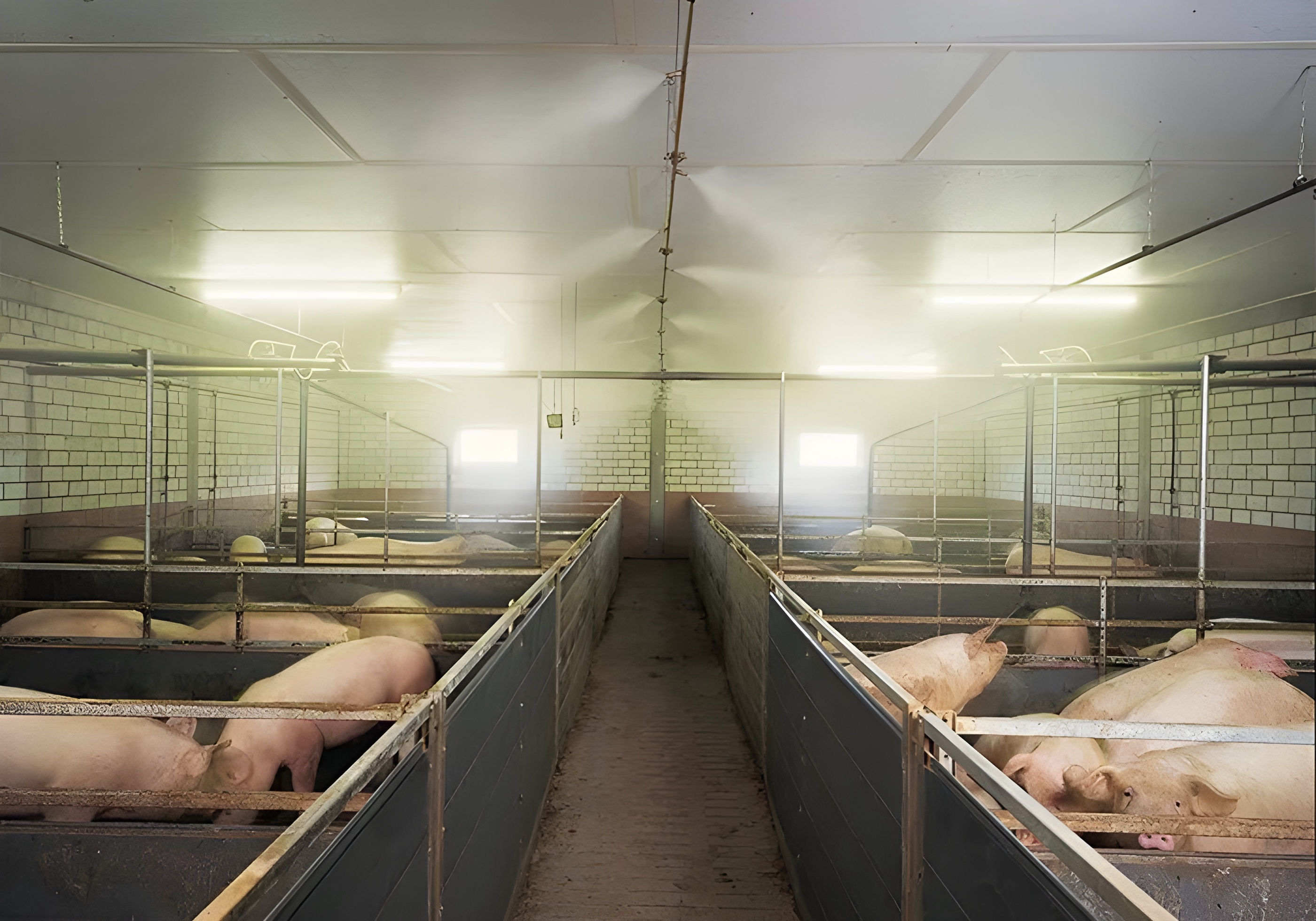
Microclimate as a Production Factor
Most farmers focus on genetics and nutrition, underestimating the impact of microclimate. Yet an optimal environment can deliver up to 15% more productivity without any changes to feeding or herd composition.
Temperature
Each age group of pigs has its own temperature optimum. Cold deviations force animals to use feed energy for thermoregulation rather than growth. Overheating leads to reduced appetite and reproductive disorders in sows.
Air Humidity
The optimal relative humidity in a pig house is 60–75%. Excess humidity amplifies the aggressive effect of ammonia on animals' respiratory tracts, promotes pathogen development, and accelerates structural corrosion.
Air Quality
Ammonia Ammonia concentrations above 20 ppm reduce appetite and suppress the immune system. At 50 ppm, irreversible damage to the respiratory tract begins. Effective ventilation is the only solution.
CO₂ and Dust Elevated levels of carbon dioxide and dust weaken animals and increase susceptibility to respiratory diseases.
Automated Climate Control
Modern controllers allow automatic regulation of ventilation, heating, and cooling according to set parameters. The system responds to weather changes and production load changes without human intervention.
Conclusion
Investment in climate control systems pays back through improved feed conversion, lower disease rates, and more animals reaching slaughter weight on schedule.